

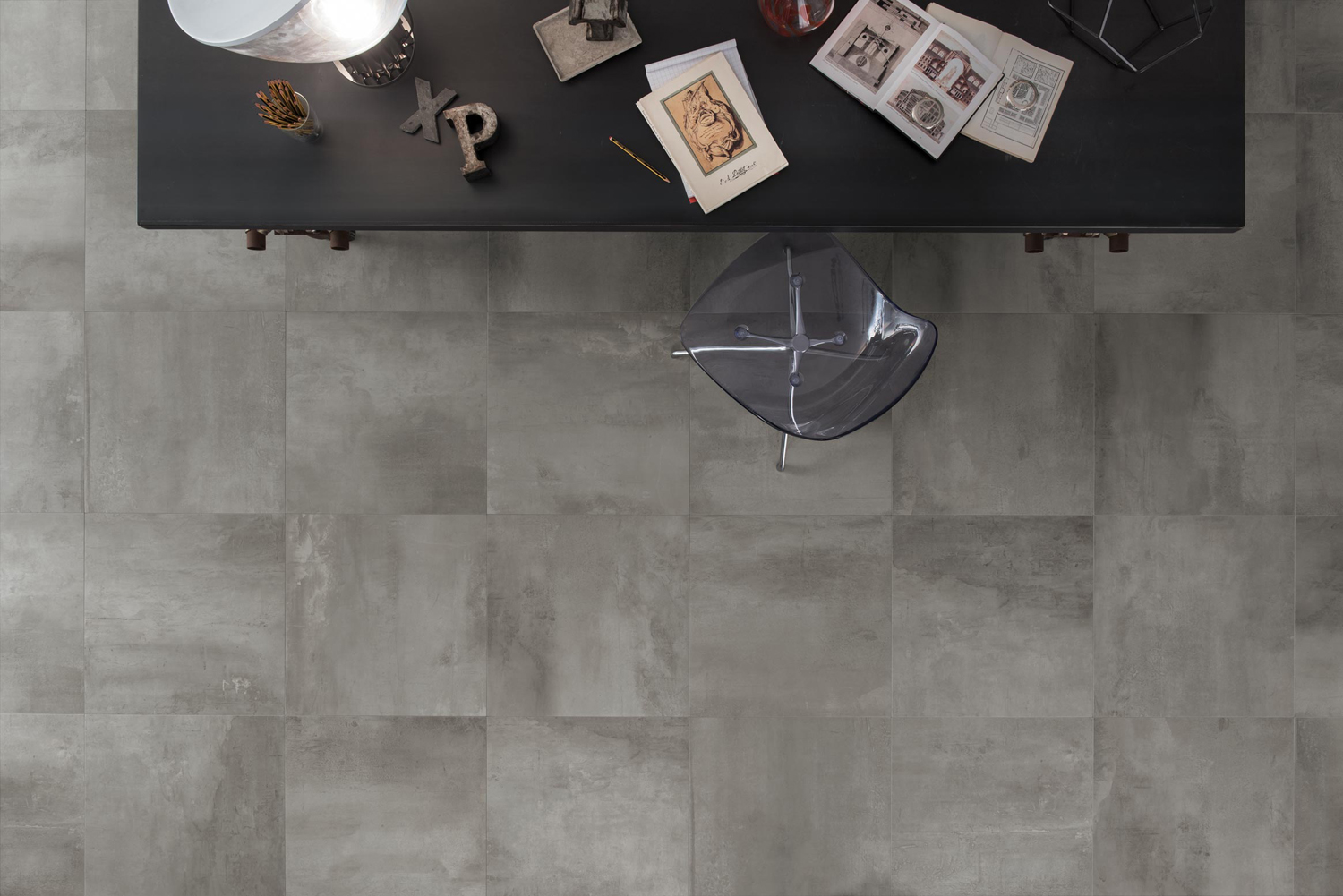
In recent years, modern tile designs have emerged as one of the most transformative elements in interior design, redefining what it means to create an elegant and sophisticated living space. Beyond their traditional function of providing durable surfaces for floors, walls, and backsplashes, tiles today serve as key components of aesthetic expression. They allow homeowners and designers to marry functionality with style, resulting in spaces that are both visually stunning and practical.
The Evolution of Tile in Interior Design
Tiles have a long history, dating back thousands of years, but the modern approach emphasizes clean lines, innovative materials, and versatile design possibilities. Unlike traditional tiles, which often focused solely on durability, contemporary tiles are designed to elevate the entire ambiance of a room. From polished porcelain to natural stone and glass mosaics, modern tile materials allow for endless creativity in design while maintaining high performance.
One of the most significant shifts in recent years is the use of larger-format tiles. These tiles, often measuring 24×24 inches or more, create seamless surfaces that make spaces feel more expansive and luxurious. Minimal grout lines contribute to a sleek and uninterrupted look, enhancing the sense of elegance in living rooms, kitchens, and bathrooms.
Material Choices and Their Impact
Modern tiles come in an array of materials, each offering distinct aesthetic and functional benefits:
-
Porcelain Tiles – Renowned for their durability and low maintenance, porcelain tiles are ideal for high-traffic areas. Modern manufacturing techniques allow porcelain to mimic natural materials like marble, wood, or concrete, making them versatile for any design style.
-
Ceramic Tiles – Ceramic tiles are highly customizable, available in a variety of colors, patterns, and finishes. They are perfect for adding artistic accents, such as patterned walls or intricate backsplash designs.
-
Natural Stone Tiles – Marble, granite, and travertine tiles bring timeless elegance to any space. Their natural veining and unique textures add a level of sophistication that is difficult to replicate with synthetic materials.
-
Glass and Metallic Tiles – These materials are often used for accent walls or decorative elements, reflecting light and creating a sense of depth. Glass tiles, in particular, can make small spaces appear larger and brighter.
-
Luxury Vinyl and Porcelain Hybrids – For a practical yet high-end look, modern hybrid tiles provide the appearance of natural materials with added durability and easier maintenance.
By carefully selecting the right material, homeowners can balance aesthetics with functionality, ensuring that their space is both elegant and practical.
Innovative Patterns and Layouts
While color and material are crucial, the way tiles are arranged can dramatically influence the elegance of a space. Modern tile concepts embrace bold patterns and unique layouts that go beyond traditional grid arrangements:
-
Herringbone and Chevron Patterns – These arrangements introduce movement and texture to floors and walls, providing a dynamic yet refined look. They are especially popular in living rooms and entryways where first impressions matter.
-
Large-Scale Geometric Patterns – Hexagons, diamonds, and other geometric shapes can create visually striking designs that serve as focal points in any room.
-
Mix-and-Match Designs – Combining different tile sizes, textures, and colors allows for a personalized approach to design, resulting in spaces that feel curated and luxurious.
-
Subtle Monochromatic Textures – Sometimes elegance is best achieved through simplicity. Monochromatic tiles with slight textural variations can add depth without overwhelming the room.
Color Trends for Modern Elegance
Color plays a significant role in modern tile concepts. Neutral tones such as whites, grays, and earthy shades are timeless and provide a serene backdrop for furniture and décor. Soft pastels, muted blues, and greens are also gaining popularity for creating calm, elegant atmospheres in living spaces.
For those seeking bolder statements, accent tiles in metallics, deep blues, or rich marbles can be strategically placed to draw attention to specific areas, such as a fireplace surround or kitchen backsplash. The key is balance; modern elegance often relies on combining neutral foundations with carefully chosen accent pieces to create a harmonious visual flow.
Enhancing Light and Space
Tiles have the power to influence how light interacts with a space. Polished tiles, particularly in lighter shades, reflect light and can make rooms feel larger and more open. Matte finishes, on the other hand, offer a sophisticated, understated look that works well in intimate or cozy settings.
For areas with limited natural light, reflective surfaces like glass tiles or glossy porcelain can enhance brightness and add a sense of openness. In contrast, textured or matte tiles can create a warm and inviting atmosphere in spaces designed for relaxation.
Integrating Tiles with Modern Furniture and Décor
Modern tile concepts do not exist in isolation; they are part of a broader design ecosystem. Elegant living spaces are achieved when tile choices complement furniture, textiles, lighting, and artwork. For example, a marble-effect porcelain tile pairs beautifully with minimalist furniture in soft neutral tones, while bold geometric tiles can serve as a backdrop for mid-century modern décor.
Rugs and textiles can further define spaces within an open-plan layout, allowing tiles to act as both a visual foundation and a functional element. Coordinating tile patterns with subtle metallic accents in fixtures or décor can tie the entire space together, achieving a cohesive and sophisticated look.
Sustainability and Practicality
Modern tiles are not just about aesthetics; sustainability and durability are increasingly important considerations. Porcelain and ceramic tiles are low-maintenance, resistant to moisture and stains, and often manufactured with eco-friendly practices. Natural stone tiles, when sourced responsibly, add a timeless quality without compromising environmental responsibility.
In addition, tiles are ideal for radiant floor heating systems, making them a practical choice for comfortable, energy-efficient living spaces. This combination of beauty and functionality ensures that modern tile concepts are suitable for both contemporary and classic homes.
Conclusion
Modern tile concepts offer endless possibilities for creating elegant living spaces. By combining innovative materials, thoughtful patterns, and complementary colors, homeowners can transform ordinary rooms into sophisticated environments that reflect personal style and contemporary design trends. Tiles are no longer mere functional elements—they are central to the aesthetic narrative of a home, enabling the creation of spaces that are both visually stunning and highly practical.
From luxurious natural stone to versatile porcelain, from bold geometric patterns to subtle monochromatic textures, modern tile provide a perfect canvas for elegance. When integrated thoughtfully with furniture, lighting, and décor, they have the power to define a room, enhance its ambiance, and elevate the overall living experience. As interior design continues to evolve, modern tile concepts remain at the forefront, offering a timeless yet forward-thinking approach to creating elegant, inviting, and stylish living spaces.

Leave a Reply