

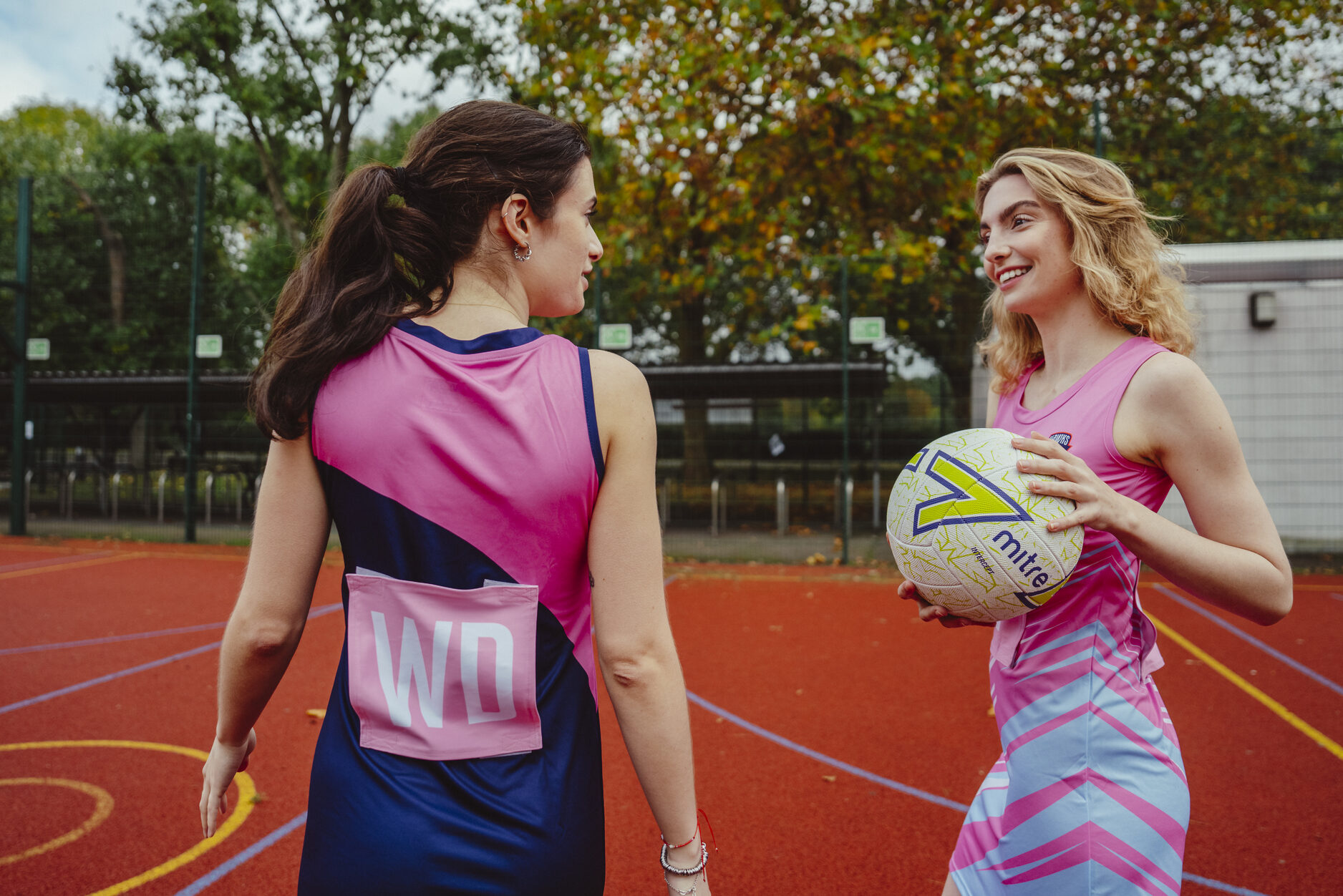
Getting custom made soccer uniforms right for a club comes down to locking design, sizing and turnaround before any deposit changes hands. FE Custom builds soccer kit through sublimation printing, so club colours, sponsor logos and playing numbers get dyed into the fabric rather than sitting on top — which matters when a kit has to survive a full season of Saturday matches and a hot wash cycle every week. The order path below runs through eight stages: budget, kit components, print method, online design, squad sizing, personalisation, proofing and the final bulk order. Skip the sizing step and a committee usually ends up reordering shorts and socks separately a few weeks into the season — the single most expensive mistake a club makes.
This guide breaks down the order sequence a club committee actually goes through when placing custom made soccer uniforms in 2026, from the first budget conversation through to the finished squad kit landing on club night. It’s written for the person doing the ordering, not the designer — so every step assumes no prior sublimation or print knowledge.
What you’ll need
- A confirmed squad roster with a rough size spread, from kids’ size 6 through to adult 3XL
- Club colours and crest or logo file, ideally a vector format (.ai, .eps or high-res .png)
- Sponsor logo files if the kit carries sponsorship, plus placement instructions
- One nominated committee contact who can sign off the digital proof
- A per-player budget that covers jersey, shorts and socks together, not just the jersey
- A hard delivery deadline — season start date, or the first carnival on the calendar
Step 1: Set your budget and squad size
This step fixes what’s actually possible before anyone touches a design file. A club ordering for 18 players has very different unit economics to one ordering for 90 across four junior grades, and the per-player price shifts with quantity. Work out whether the budget covers a full kit — jersey, shorts, socks — or jersey only, with players supplying their own shorts. Clubs that skip this and design first often end up cutting sponsor logos or downgrading fabric later to hit the number. Confirm the squad count against actual registered players, not last season’s number, before requesting quotes.
Step 2: Choose your kit components
Decide whether the order is jersey-only or a full kit with matching shorts and socks, since colour matching across three garments printed separately is harder to get right than a single jersey run. FE Custom’s guide to custom soccer kits with matching shorts and socks covers how clubs typically bundle these to keep dye lots consistent. A full kit also simplifies away-day logistics — one supplier, one invoice, one delivery date instead of three separate ones landing at different times.
Step 3: Pick your print and construction method
Sublimation and screen printing produce different results on a soccer jersey, and the choice affects both cost and how the kit ages. Sublimation dyes the design into the polyester fibre, so there’s no cracking or peeling after repeated washing — relevant for a garment that gets washed weekly for six months. FE Custom’s comparison of embroidery vs printing for custom sports uniforms and its breakdown of sublimation printing for custom sports jerseys both explain why most club-level soccer runs default to full sublimation rather than screen print or embroidered panels.
Step 4: Design your jersey online
This is the step that takes the longest and matters most, because everything downstream — sizing, proofing, sponsor placement — depends on a locked design file. Most clubs start from a design template, upload their crest, set club colours, and adjust panel layout before adding sponsor logos. FE Custom’s walkthrough on how to order custom soccer jerseys for your team and the companion guide on how to design a custom soccer jersey online both walk through the same online design process — pick a base template, drop in the crest, confirm colours against the club’s actual Pantone or hex reference rather than trusting a monitor’s screen colour, then preview the mock-up before submitting. A committee member should check the design against three things: does it match the club’s registered colours with the sporting body, does the crest sit clear of any seam lines, and is there room reserved for a sponsor panel if one hasn’t been added yet. Screen colours and printed colours don’t always match exactly, so if the club has an existing kit, request a physical reference swatch alongside the digital proof rather than approving from a screen alone. Getting this step wrong is the most common source of reprint requests, because once a design is submitted to production, changes mean restarting the run.
Step 5: Confirm sizing for the full squad
Soccer jerseys run differently across junior, women’s and men’s cuts, so a single size chart rarely covers a mixed-age club. Collect actual measurements or use a size-run reference rather than guessing from t-shirt sizes, since a club shirt sized snug for a senior men’s team will run large on a size 12 junior. FE Custom’s guide on how to size custom soccer jerseys for a full squad sets out how to collect sizes across a roster without ordering a sample of every size first. Confirm goalkeeper sizing separately too — keepers often need a looser cut and a distinct colour from outfield players.
Step 6: Add names, numbers and sponsor logos
Personalisation is where per-player costs and turnaround both increase, so confirm early whether every player gets a name and number or only a subset (captain, vice-captain) does. Sponsor logos need to be supplied as clean vector or high-resolution files — a pixelated logo pulled from a website prints pixelated on the jersey. FE Custom’s page on how to add sponsor logos to custom team jerseys covers placement zones that keep sponsor panels clear of stitching and side seams.
Step 7: Proof and approve the design
Before production starts, one nominated committee member should review a full digital proof against the original brief — colours, crest position, sponsor placement, and every player’s name spelling and number. FE Custom’s guide to how to proof and approve your custom jersey design recommends checking the proof against a printed copy of the brief line by line rather than skimming on screen, since a missed typo in a player’s surname at this stage means a reprint later.
Step 8: Confirm turnaround and place the bulk order
Once the proof is signed off, confirm the delivery date against the season start or first carnival, then lock the bulk order. FE Custom’s page on custom soccer jerseys bulk order Australia and its guide on how to get custom jerseys made fast in Australia both cover what affects turnaround — order size, personalisation volume, and how quickly the proof gets approved. Build in a buffer week beyond the quoted turnaround for a club’s first order with a new design, since first runs typically involve more proof rounds than repeat orders.
Common mistakes and how to fix them
- Colours look different printed vs on screen. Sublimation dyes colour into the fabric, and monitor RGB doesn’t always match printed output exactly — request a physical swatch alongside the digital proof, not just a screen mock-up.
- Sponsor logo prints blurry. This happens when a logo is pulled from a website at low resolution — always supply a vector file or a high-res original.
- Junior sizes run too big or small. Guessing sizes from adult t-shirt charts doesn’t translate to soccer jersey cuts — use an actual size-run reference per age group before submitting numbers.
- Goalkeeper kit clashes with outfield colours. Football’s Laws of the Game require the goalkeeper to wear colours that distinguish them from outfield players and match officials — confirm keeper kit as a separate line item, not an afterthought.
- Order missed the season start date. Turnaround gets tighter the closer to season kickoff — confirm delivery timing before locking the design, not after.
- Shorts and socks don’t match the jersey colour. Ordering garments separately across different runs risks dye-lot mismatches — bundle the full kit in one submission where the budget allows.
Tools and resources
- A vector graphic editor (Adobe Illustrator, or a free tool like Canva for simple crest cleanup) to prepare logo files before upload
- FE Custom’s online design process for building the jersey template, uploading crest and sponsor artwork, and generating a digital proof
- A size-run reference chart matched to the specific cut (junior, women’s, men’s, goalkeeper) rather than a generic t-shirt size guide
- A committee sign-off checklist covering colours, crest placement, sponsor logos and every player’s name and number spelling
FAQ
How long does it take to get custom made soccer uniforms made in Australia?
Turnaround depends on order size and how much personalisation is involved — FE Custom’s guide on ordering custom jerseys fast covers what speeds up or slows down a run, and building in a buffer week for a club’s first order with a new design is worth doing regardless of quoted timing.
What’s the minimum order for a club uniform run?
Minimum order sizes vary by supplier and by whether the run includes personalisation — check the current minimum before finalising a squad list, since some clubs split a large roster across two smaller orders to hit a minimum efficiently.
Can we order a separate away kit or goalkeeper kit?
Yes — goalkeeper kit is commonly ordered as its own colourway since the Laws of the Game require keepers to wear a distinct colour from outfield players and match officials, and an away kit is typically a separate design submission rather than a colour swap on the same file.
Do sponsor logos cost extra on custom made soccer uniforms?
Sponsor placement typically adds to personalisation cost depending on how many panels and colours the logo needs — confirm this at the design stage in Step 6 rather than after the proof is approved.
What print method is best for junior teams vs senior teams?
Both junior and senior soccer kits generally run on sublimation for the same reason — the design is dyed into the fabric, which holds up to the wash frequency a full season demands, regardless of the player’s age group.
Can we reorder odd sizes later in the season if a player joins mid-year?
Re-runs are possible but easier when the original order kept a record of the exact colours, sizes and personalisation used — FE Custom’s proofing step exists partly so a reorder later in the season can match the original file exactly.
Wrapping up
FE Custom’s order path for custom made soccer uniforms comes down to sequence: budget and squad size first, kit components and print method next, then design, sizing, personalisation, proofing and the bulk order last. Clubs that follow that order in 2026 avoid the two costliest mistakes — mismatched dye lots between separately ordered garments, and a size chart that doesn’t fit the actual squad. Get the digital proof checked against a physical swatch, lock sizing against real measurements rather than guesswork, and build a buffer week into the turnaround before the season kicks off.


Leave a Reply